R-series: applied physics, algorithmic planning and resilience frameworks from our internal think tank. E-series: plain-language guides to real estate and architectural procedures.
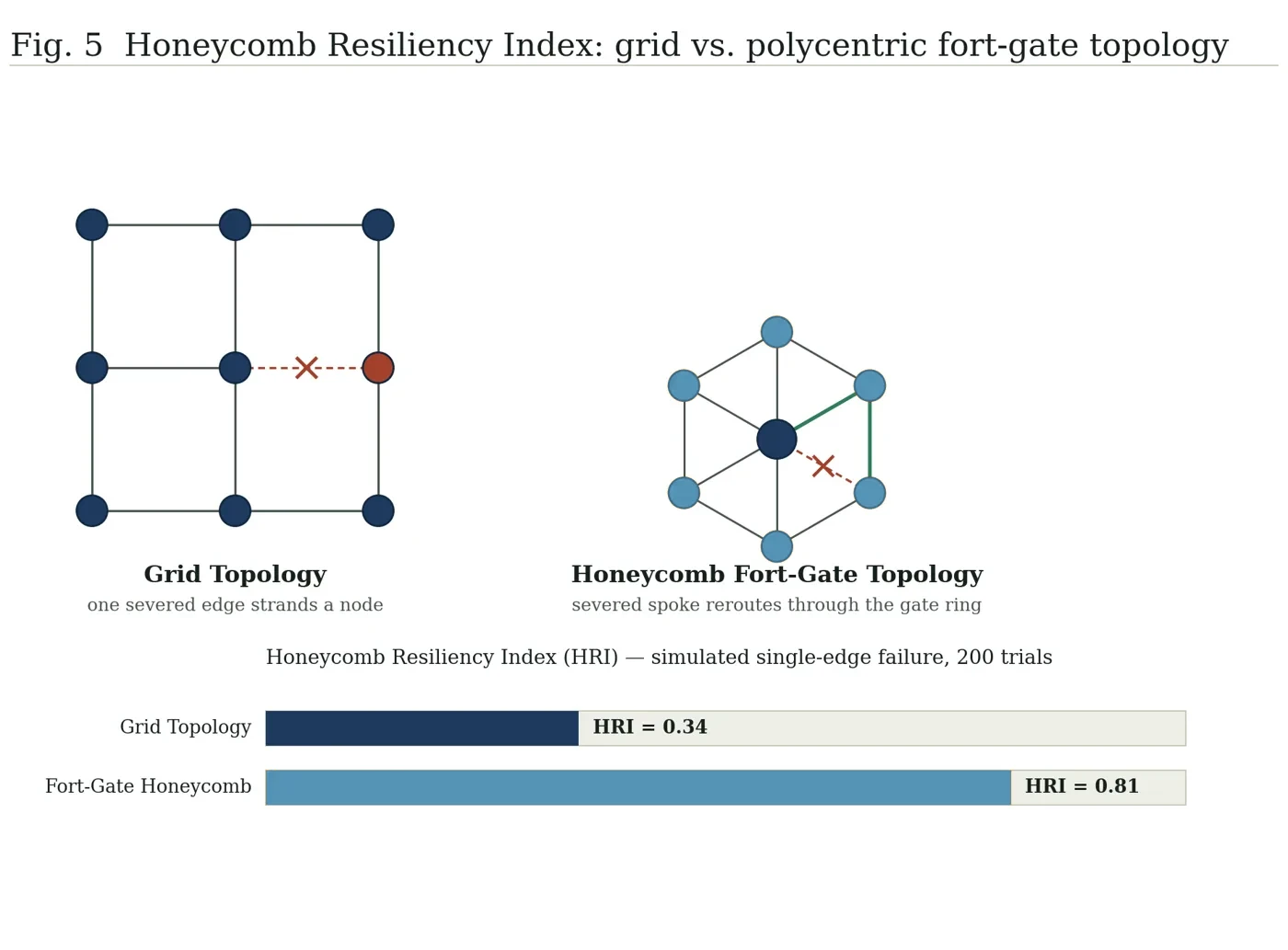
R-05The Honeycomb Resiliency Model: Quantitative Spatial Network Scoring Fort-Gate Urbanism made the qualitative case for a six-gate hexagonal layout. This piece scores it — a numeric Honeycomb Resiliency Index that turns “more gates, more paths” into an auditable number, with each gate tied to a named accountable owner. · 7 min read
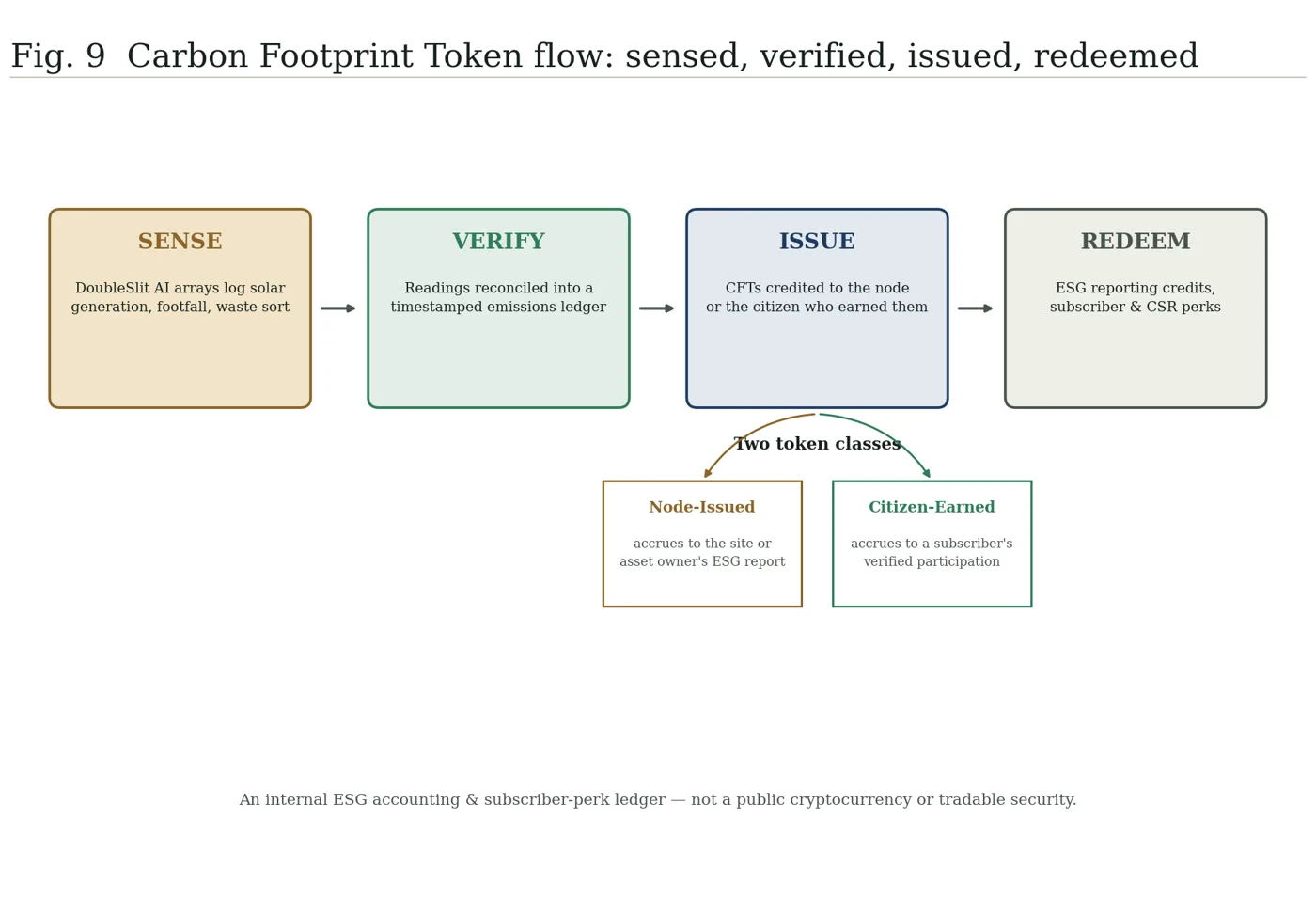
R-09Carbon Footprint Tokens (CFT): IoT Sensor-Backed Environmental Accounting A proposed internal ledger that converts a Smart Bench’s solar generation, a building’s avoided emissions, or a resident’s verified recycling into a countable, sensor-backed credit — an ESG accounting layer, not a cryptocurrency. · 6 min read
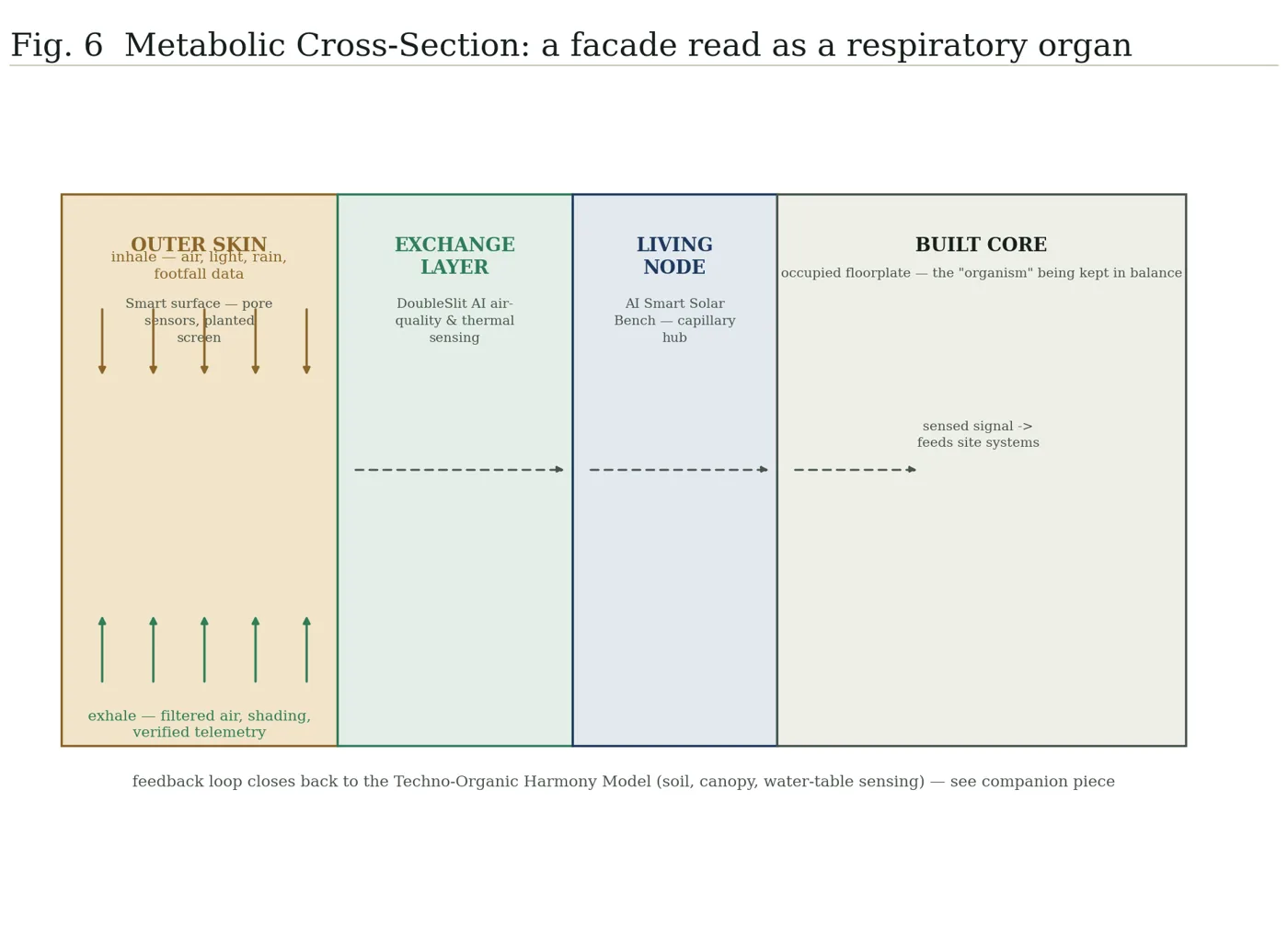
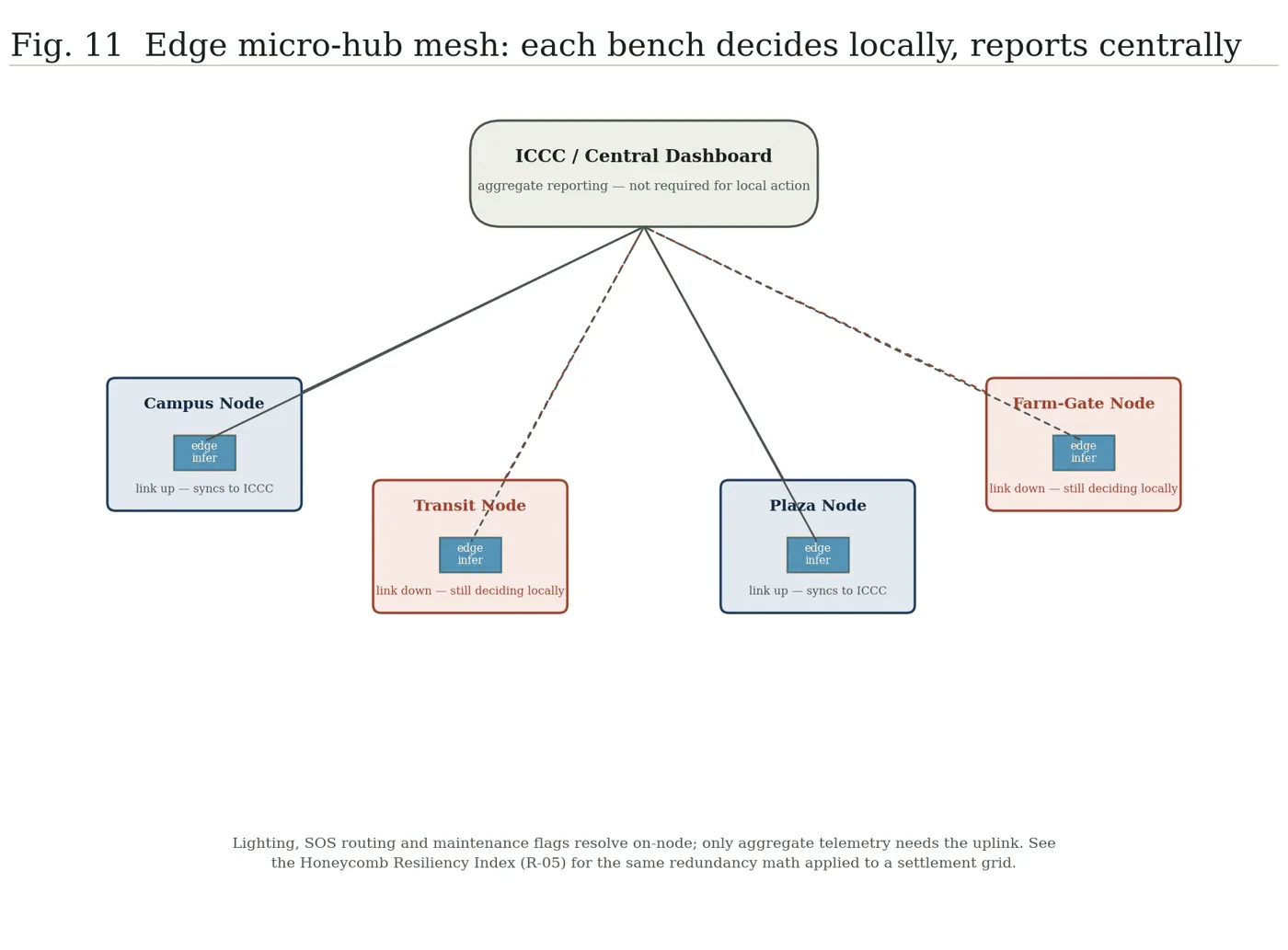
R-10The AI Smart Solar Bench: Edge Computing and Micro-Hub Network Protocols Why the AI layer on every Smart Bench processes on the device itself rather than waiting on a central server — and what that decision buys a network of benches when the connection back to the ICCC actually drops. · 6 min read
ArthAxis Planning Theory: Reading a Site at Every Scale Before Drawing a Line
Yatish Parashar · The Great Indian Campus / iViRTH · Preprint · 2024 · CC BY 4.0
Parashar, Y. (2024). ArthAxis Planning Theory & Technique — A Regenerative Spiral Model for Urban and Regional Design (Version v1) [Preprint]. Zenodo. https://doi.org/10.5281/zenodo.21222939